
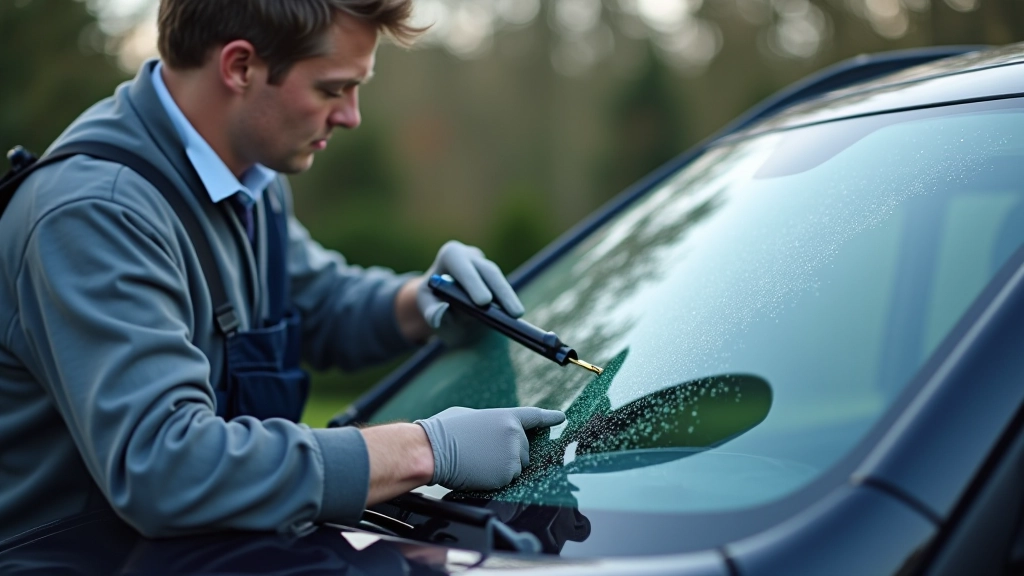
Mobile Repair vs. Dealership: What's the Difference?
Mobile technicians arrive at your location with all necessary equipment. We'll explore how this approach compares to traditional dealership service.
Not all chips are the same. Learn how to identify which damage needs immediate repair and which can wait.


Author
Editorial Team
Written by the montcroft Editorial Team, focused on clear, honest guidance for Sligo windscreen repair customers.
A small chip in your windscreen might seem minor at first. But it's not just about aesthetics — there's a real safety question underneath. We're talking about structural integrity, visibility, and whether that damage will spread the next time you hit a pothole or experience temperature swings.
Here's the thing: not every chip requires immediate attention. Some can wait a few weeks. Others need fixing today. The difference comes down to three factors — location, size, and depth. Understanding these helps you make the right call without overreacting.


Where the chip is located determines how urgent the repair becomes. A chip directly in your line of sight — that's your priority. You can't drive safely if you're constantly looking around damaged glass. Even if it's small, it's distracting and potentially dangerous.
Chips near the edges are less critical for immediate vision but they're structurally important. That's where the windscreen's reinforcement matters. A chip that spreads along the edge can compromise the whole panel's ability to support the vehicle during a collision. Edge damage needs attention within a week or two, not months.
Chips on the passenger side or far from the driver's view? You've got more time. Days, maybe weeks. They're not blocking vision and they're not in high-stress areas of the glass. Still, don't ignore them indefinitely — temperature changes will eventually make them worse.
Note: This guide provides general information about windscreen damage assessment. Safety regulations and repair requirements vary by region and vehicle type. Always consult with a professional technician to evaluate your specific situation. When in doubt about whether a chip affects safety, it's better to have it checked by an expert than to guess.
Size matters in windscreen damage. A chip smaller than a pound coin? You can usually wait a bit. It's not great to leave forever, but you're not in emergency territory. Most of these won't spread dramatically on their own.
Chips between the size of a pound coin and a golf ball are the middle ground. These ones need attention within the next week or two. They're noticeable enough that they could catch light at certain angles, potentially affecting your visibility. Plus, they're large enough that temperature changes will start stressing the glass around the damage.
Anything larger than a golf ball? That's a repair situation now. Don't put it off. Large chips mean the structural integrity of that section of glass is already compromised. You're one rough road or temperature swing away from that chip turning into a crack that spreads across the entire windscreen.


You can't always tell depth just by looking. A shallow chip that only affects the outer layer of glass is different from one that's gone halfway through. The deeper the damage, the more structural weakness you've created.
Shallow chips often don't spread much. They're surface-level damage. But deeper chips — ones where you can feel the edge when you run your finger across them — those are stress points. They're where cracks like to start when temperature changes put pressure on the glass.
A technician can assess depth better than you can, but here's a quick check: if water collects in the chip or you can see into the layers of the glass, it's deeper than surface damage. That's when you want professional eyes on it sooner rather than later.
Mobile technicians arrive at your location with all necessary equipment. We'll explore how this approach compares to traditional dealership service.

Quick steps to take before the technician arrives. We'll be there within hours — here's how to get ready.

Your windscreen is fixed, but there's a short curing period. We'll walk you through what to expect.
You now know the three factors that determine urgency: location, size, and depth. A chip in your direct line of sight, larger than a golf ball, or deep enough to see into the glass layers? That's a same-day situation. A small chip on the passenger side that's clearly surface damage? You've got time, but don't ignore it for months.
The safest approach is simple — if you're not sure, have a technician take a look. A quick assessment costs nothing and gives you real clarity. Most chips can be repaired quickly and affordably if you address them before they spread. Waiting too long often means the difference between a repair and a full replacement.
Your windscreen protects you in ways you don't see every day. Treating chip damage seriously, right from the start, is how you keep it doing that job properly.